

If your foundation looks perfect at 9am and patchy by lunchtime, the problem is rarely the foundation alone. On oily skin, lasting makeup is a sequence: light prep, the right primer, thin layers, and a proper set. Get the order right and most foundations last far longer — even ones you thought did not work for you.
Why does it happen? Sebum — the oil your skin produces — mixes with foundation through the day, breaking down the film that holds pigment in place. Heat and humidity speed this up. That is why the fix is not just a longer-wear foundation: it is a routine that controls oil at every step, from skincare to setting spray.
1. Start light, and let skincare sink in
Heavy cream under foundation is the fastest way to make it slide. Use a lightweight, oil-free moisturiser and give it a few minutes to absorb before anything else goes on. Our reviews of the Ultra Facial Oil-Free Gel Cream and the First Aid Beauty Ultra Repair Oil-Control Moisturizer cover two light options already on this site. If you wear sunscreen — and you should — apply it before primer and let it set for two to three minutes first; see our guide on choosing sunscreen for oily skin.
2. Prime only where you need it
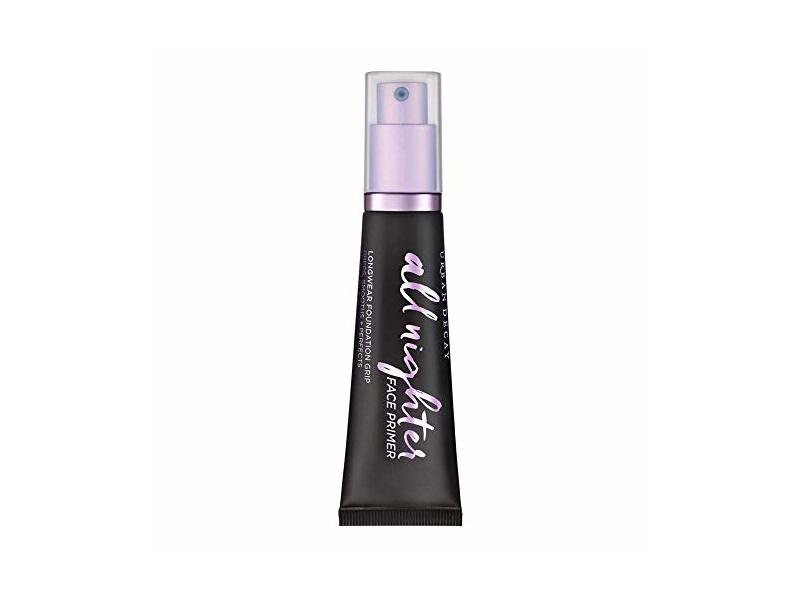
A mattifying primer helps most on the T-zone, where oil breaks through first. You do not need a thick layer everywhere — a thin layer on the forehead, nose and chin is enough, and it keeps the rest of your base from looking flat. Our review of the Urban Decay All Nighter Face Primer covers a long-wear option, and the Hourglass Veil Primer review is worth reading if you prefer a smoother, blurring finish. Skip rich, hydrating primers as your base on very oily days; they are better suited to dry skin.
3. Pick the right foundation finish — and apply it thinly
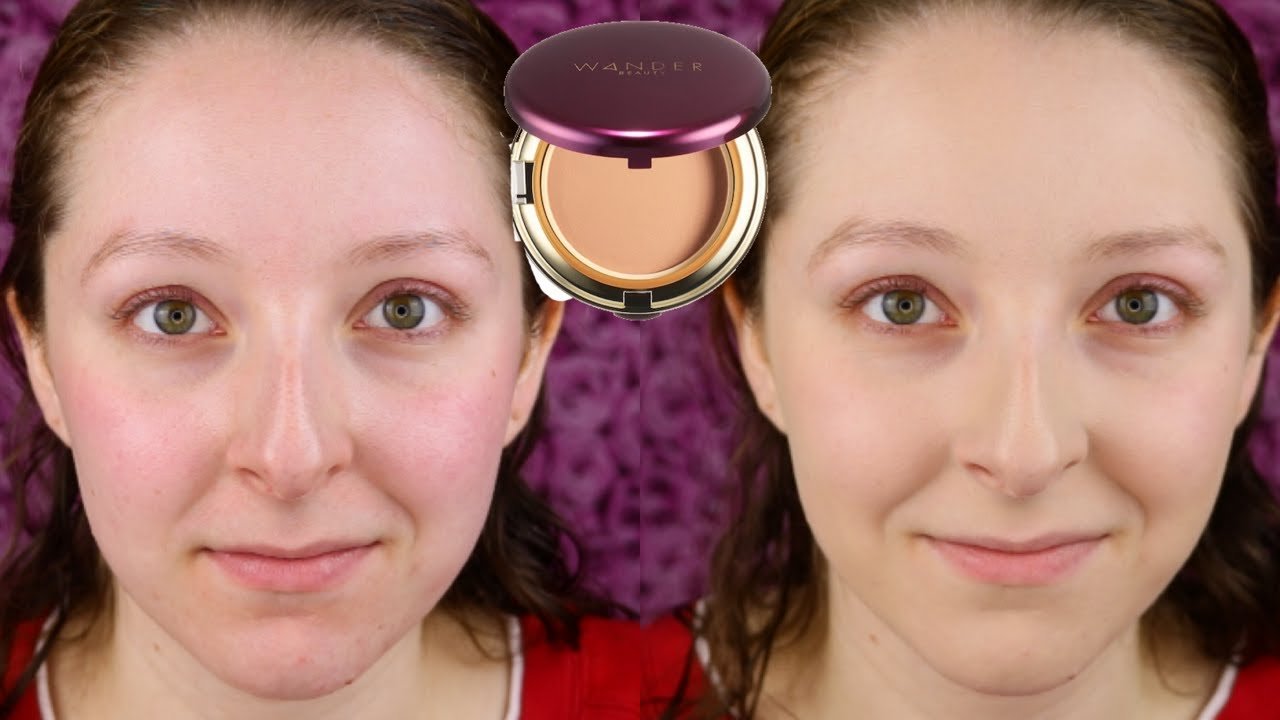
For oily skin, matte and soft-matte finishes usually outlast dewy ones. Powder foundations are also worth considering in hot, humid weather: our reviews of the Urban Decay Stay Naked The Fix Powder Foundation and the Wanderlust Powder Foundation cover two of them, and the Two Faced Foundation review covers a liquid option. Whatever you choose, apply it in thin layers with a damp sponge or a brush, and build coverage only where you need it. One thick layer creases and separates faster than two thin ones.

4. Set in layers, not all at once
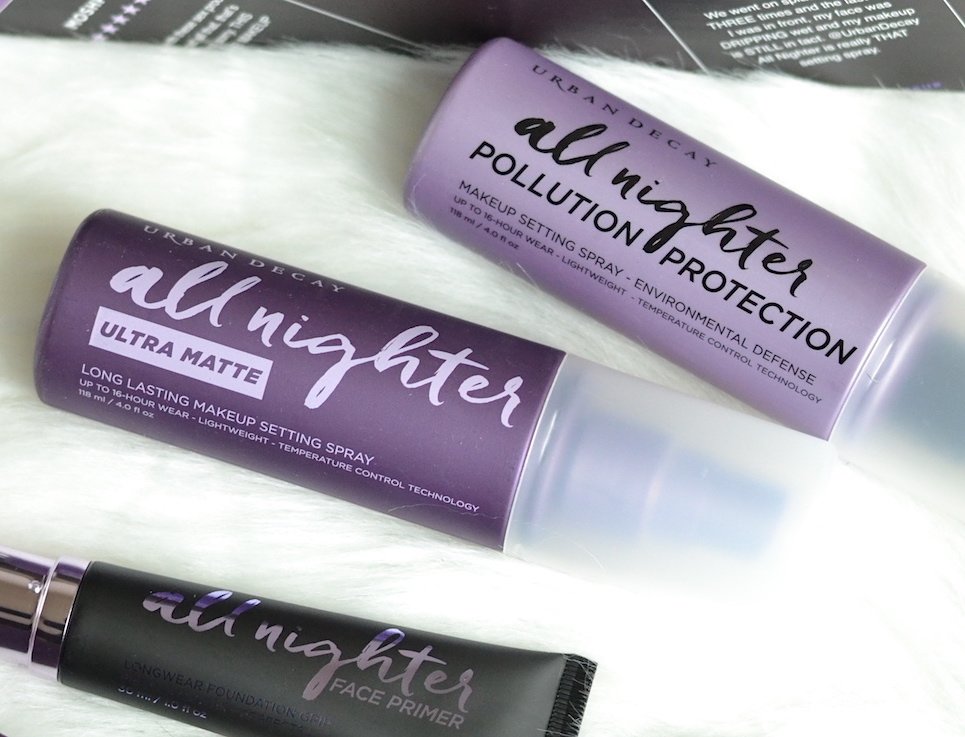
Set with a light dusting of powder on the oiliest areas first — our review of the Ultra HD Setting Powder covers one option — then finish with a setting spray. Hold the spray at arm's length and let it dry on its own; fanning it or touching your face while it is wet undoes the work. The Urban Decay All Nighter Ultra Matte Setting Spray review covers the matte spray already reviewed here.
One technique worth knowing is the difference between dusting and baking. Dusting is a light sweep of powder over the T-zone — enough for most days. Baking means pressing a thicker layer of powder onto the skin, leaving it for a few minutes, then brushing the excess away. It can extend wear for a long event, but on oily skin it can also look heavy and settle into pores by the afternoon. For everyday wear, a light dusting plus a setting spray usually gives a better balance of wear and finish.
5. Touch up without starting over
Even the best base needs a midday check on oily skin. The right order matters: blot first, then powder, then — only if needed — a tiny amount of product. Press blotting paper or a clean tissue gently onto the shiny areas; rubbing moves the foundation underneath. Follow with a light press of powder on the T-zone using a puff or a small brush, not a big fluffy one, so you add coverage only where the oil broke through. If a patch has genuinely worn away, dab a tiny amount of foundation onto that spot with a fingertip and blend the edges, then set it again with powder. What does not work is layering more liquid foundation over oil — it slides, cakes, and looks worse within the hour. Keep blotting paper and a small powder compact in your bag; they weigh nothing, and they are the difference between a base that lasts to 6pm and one that gives up at 2pm.
6. Adjust for weather and seasons
The same routine does not work in every climate. In hot, humid weather, switch to a powder foundation or a long-wear matte liquid, use a mattifying primer on the full T-zone, and carry blotting paper. In cooler or drier months, oily skin often produces less oil, so you can ease off the powder and use a lighter hand with setting spray — over-matting skin that is already dry makes foundation look flat and uncomfortable. If you travel between climates, pack both a powder and a setting spray: the powder handles humidity, the spray locks everything in place. And whatever the season, the prep steps stay the same — light moisturiser, sunscreen left to set, thin layers. The products can change; the order should not.
7. What to avoid
- Layering a rich moisturiser, a dewy primer and a dewy foundation together — each layer adds slip.
- Touching up with more liquid foundation midday. Blot first with blotting paper or a tissue, then add a little powder only where needed.
- Skipping the set step because your foundation "looks fine" indoors. Oil and humidity build through the day; the set is what carries the base into the afternoon.
Frequently asked questions
Should I use a powder or a liquid foundation on oily skin? Either can work. Powder foundations are easier in hot, humid weather and need less setting. Long-wear matte liquids give more coverage and a smoother finish, but they need a primer and a setting spray to last. If you are unsure, start with a matte liquid in thin layers — it is the most forgiving option.
Can I skip primer if my foundation is long-wear? You can, but primer is the step that does the most for oily skin. A mattifying primer on the T-zone gives the foundation something to grip and slows oil breakthrough by hours. Skipping it is the most common reason a long-wear foundation still slides by midday.
Why does my foundation settle into my pores? Usually because the base underneath is too rich, or the foundation was applied too thickly. Use a light, oil-free moisturiser, let each layer set, and apply foundation in thin layers with a damp sponge. A blurring primer can also smooth the look of pores before foundation goes on.
Does setting spray really make a difference? Yes — it is the step that seals the layers together. A matte setting spray adds hours of wear on oily skin, especially in humidity. Hold it at arm's length, mist evenly, and let it dry on its own.
The short version
Light oil-free prep, sunscreen left to set, mattifying primer on the T-zone, thin layers of a matte or powder foundation, then powder and setting spray. If you want a specific product to start with, read our reviews of the Urban Decay Stay Naked powder foundation and the All Nighter primer and setting spray — all three are already covered on this site.
This is a general makeup guide, not medical advice. If you have a skin condition, ask a dermatologist which products suit you.