




A face wash is the least exciting product in a skincare routine, and the one people get wrong most often. On oily skin, the mistake usually goes the same way: the face feels shiny by midday, so the wash gets harsher, the skin gets tighter, and the oil comes back faster. The wash was supposed to fix the shine. Instead it trained the skin to produce more oil.
The goal of a face wash is simple and small. It should remove sunscreen, makeup, sweat and the day's oil — and leave the skin clean, comfortable and ready for the next step. It should not leave the face feeling squeaky, tight or dry. If your skin feels like that after washing, the wash is too strong for you, whatever the label says. This guide explains how to choose a wash for oily skin, what to avoid, and how to use it properly.
1. Why oily skin still needs a gentle wash
Oily skin produces more sebum, the oil that keeps skin supple and protected. That is not a defect — it is how the skin works. The problem starts when the skin is stripped of that oil again and again. A harsh wash removes the oil and damages the barrier at the same time, and the skin responds by making more oil to replace what was lost. The face ends up shinier than before, and the wash gets blamed on the wrong thing — the skin, not the product.
A gentle wash breaks that cycle. It cleans the surface without taking everything with it, so the skin stays balanced and the rest of the routine — serum, moisturiser, sunscreen — can do its job. That is why the first rule of choosing a face wash for oily skin is counterintuitive: do not buy the strongest one. Buy the one that cleans well and leaves your skin feeling normal afterwards.
This is also why a face wash is the first step of the oily-skin routine this site has been building piece by piece: our guide on choosing sunscreen for oily skin, our guide to making foundation last on oily skin, and our moisturiser guide for acne-prone skin all assume the skin underneath is clean but not stripped. If the wash is wrong, every step after it works harder than it should.
2. What to look for on the label
Start with the formula type. Gel and light foaming washes suit oily skin best. They clean effectively, rinse away cleanly and do not leave a heavy residue. Cream and oil-based cleansers are made for dry skin; on oily skin they often leave a film that feels like the wash never finished. A gel that turns into a light foam is the safest starting point for most people with oily skin.
Look for a low pH, or a label that says pH-balanced. Skin is naturally slightly acidic, and a wash that is too alkaline disturbs the barrier and leaves the face feeling tight. You do not need to memorise numbers — just avoid washes that leave your skin feeling squeaky clean, because that squeak is the barrier telling you it has been stripped.
Salicylic acid is the ingredient most often recommended for oily skin, and for good reason: it is oil-soluble, so it can get into pores and help clear the oil and dead skin that clog them. A wash with a small amount of salicylic acid, used once a day, suits many people with oily or breakout-prone skin. Niacinamide is another useful ingredient — it helps with oil control and uneven tone without drying the skin. Neither ingredient needs to be strong in a wash, because a wash only stays on the skin for a minute. What matters is that the formula is gentle enough to use every day.
Our review of the Youth To The People Mini Cleanser covers a gentle gel cleanser that many people with combination to oily skin use as a daily wash. It is a good example of the type to look for: a light gel, no heavy oils, and a formula that rinses clean. A wash does not need to be expensive to be good — it needs to be the right texture, at the right strength, used consistently.

3. What to avoid
The first thing to avoid is the squeaky-clean feeling. If your skin feels tight, dry or itchy after washing, the wash is too harsh — even if it says "for oily skin" on the bottle. Marketing labels are not a guarantee. Your skin's reaction after washing is the real test, and it takes about ten minutes to judge: wash, wait, and see how the skin feels before you put anything else on it.
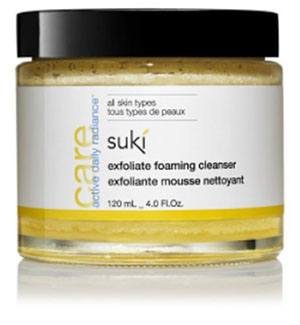
Avoid harsh physical scrubs used daily. A scrub with rough particles can feel satisfying, but on oily skin it often causes tiny irritation that leads to more oil and more breakouts. If you like exfoliating, a gentle chemical exfoliant used a few times a week is usually a better choice than a daily scrub. Our guide to the microbead-free face scrub explains what to look for in a scrub that does not damage the skin.
Avoid very hot water. Hot water strips oil faster than any wash, and it leaves the skin red and reactive. Lukewarm water is enough — it cleans just as well and does not shock the barrier. Avoid washing more than twice a day, too. A third wash in the afternoon feels like it should help with midday shine, but it usually makes the oil rebound worse. Blotting paper is a better tool for midday shine than another wash.
Avoid washes with a long list of fragrance and essential oils if your skin is sensitive as well as oily. Fragrance does not clean anything; it only adds a chance of irritation. And avoid the idea that a wash can fix everything. A wash stays on the skin for about a minute. It cannot unclog deep pores, fade marks or change your skin type. Its job is to clean gently and get out of the way — the treatment steps come after it.
4. How to wash properly
The technique matters as much as the product. Start with lukewarm water and wet the face fully. Use about a coin-sized amount of wash — more product does not clean better, it just takes longer to rinse off. Work it into a light lather in your hands first, then massage it over the face in gentle circles for about thirty to sixty seconds. Spend a little extra time on the T-zone, where oil collects, and go lighter on the cheeks, which are usually drier.
Rinse thoroughly. Residue left on the skin is a common cause of breakouts along the jawline and hairline, and it is easy to miss. Pat the face dry with a clean towel — do not rub, because rubbing irritates the skin and moves oil around instead of removing it. Then apply the next step while the skin is still slightly damp: serum, then moisturiser, then sunscreen in the morning. A face wash is the first minute of the routine, not the whole routine.
In the morning, a gentle wash is enough — overnight the skin only needs sweat and oil removed. In the evening, the wash has more work to do: sunscreen, makeup and the day's oil. If you wear heavy makeup or waterproof sunscreen, wash twice in the evening: first with a gentle cleansing balm or micellar water to remove the makeup, then with your regular face wash to clean the skin itself. This is called double cleansing, and it is the one time two washes in a row makes sense. Our review of the Nivea Pure Effect Thermo Daily Warming Cleanser covers a warming cleanser some people use as that first evening step.
5. Common mistakes that make oily skin worse
The most common mistake is washing too often or too harshly. Twice a day with a gentle wash is enough for almost everyone. A third wash, a stronger wash, or a wash plus a daily scrub feels like taking control of the oil — but the oil usually comes back stronger within a few weeks. If your skin is oilier than it was a month ago, the wash is the first thing to question, not the last.
The second mistake is skipping moisturiser after washing. Oily skin still needs moisture — oil and water are not the same thing, and skin that is dehydrated produces more oil to compensate. A light, oil-free gel moisturiser after washing keeps the barrier healthy without adding shine. Read our moisturiser guide for acne-prone skin if you are not sure which texture to choose.
The third mistake is judging a wash on the first day. A new wash needs a week or two before you can tell whether it suits your skin. The first wash always feels different, because the old wash trained your skin to expect it. Give the new one two weeks of steady use, and judge it on how your skin feels ten minutes after washing — comfortable and clean, not tight and shiny.
The fourth mistake is buying a wash for someone else's skin. A wash that works for a friend with dry skin will not work for you, and a wash that works for a beauty influencer may not suit your climate, your water or your routine. Choose by your own skin's reaction, not by a recommendation alone.
Frequently asked questions
Should I use a different wash in summer and winter? Often, yes. Oily skin usually produces more oil in hot, humid weather, so a light foaming wash suits summer. In cooler months the skin may produce less oil, and the same wash can start to feel drying — that is the time to switch to a gentler gel. Change the wash when your skin changes, not when the calendar changes.
Is a foaming wash better than a gel wash for oily skin? Not necessarily. Both can work well. What matters is how the skin feels afterwards. A foam that leaves the face tight is worse than a gel that leaves it comfortable. Try one, judge it after two weeks, and keep the one your skin likes.
Can a face wash help with acne? It can help, but it cannot fix acne on its own. A wash with salicylic acid can keep pores clearer, and a gentle wash stops the irritation that makes breakouts worse. But acne treatment comes from the products that stay on the skin — serums and moisturisers — not from the product that rinses off in a minute. If breakouts are persistent, the moisturiser guide and a dermatologist are the next steps.
Do I need to wash my face in the morning if I washed it at night? Yes, but gently. Overnight the skin produces oil and sweat, and a light morning wash removes them so sunscreen and makeup sit properly. A single gentle wash is enough — there is no need for a strong wash first thing in the morning.
What if my skin feels oily again an hour after washing? That is normal for oily skin, and it does not mean the wash failed. No wash stops oil production for hours. Blot the shine with blotting paper during the day instead of washing again — it removes the oil without stripping the skin and starting the rebound cycle.
The short version
Choose a gentle gel or light foaming wash, look for a pH-balanced formula, and consider a small amount of salicylic acid if you break out. Avoid the squeaky-clean feeling, harsh daily scrubs, hot water and washing more than twice a day. Wash for thirty to sixty seconds with lukewarm water, pat dry, and moisturise while the skin is still slightly damp. The wash is the first minute of the routine — keep it gentle, and let the steps after it do the treatment.
This is a general skincare guide, not medical advice. If you have a skin condition, ask a dermatologist which products suit you.