

If you are just starting an anti-ageing routine, the skincare aisle asks you to choose between two things that look like they do the same job. A serum promises concentrated actives in a light liquid. A cream promises moisture, comfort and a barrier that holds everything in. Both can help skin look smoother and brighter over time — but they do different work, and buying the wrong one first is the most common beginner mistake.
The short answer is that neither one replaces the other. A serum delivers active ingredients; a cream protects the skin and locks moisture in. Most people who see real results use both, in the right order, and choose the formulas that suit their skin type. This guide explains the difference in plain terms, so you can spend money on the step you actually need first.
1. What a serum actually does
A serum is a lightweight, concentrated product designed to deliver a small number of active ingredients deep into the skin. Because serums are usually water-based and thin, they absorb quickly and leave almost no residue. That is why they feel like nothing on the skin — and why beginners sometimes think they are not doing anything.
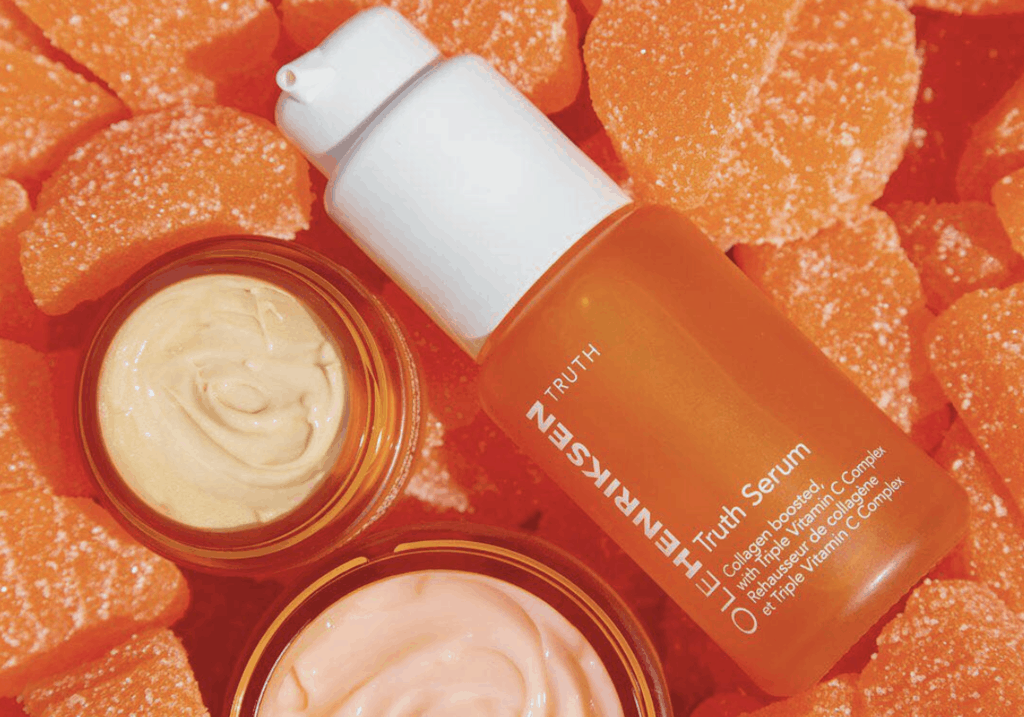
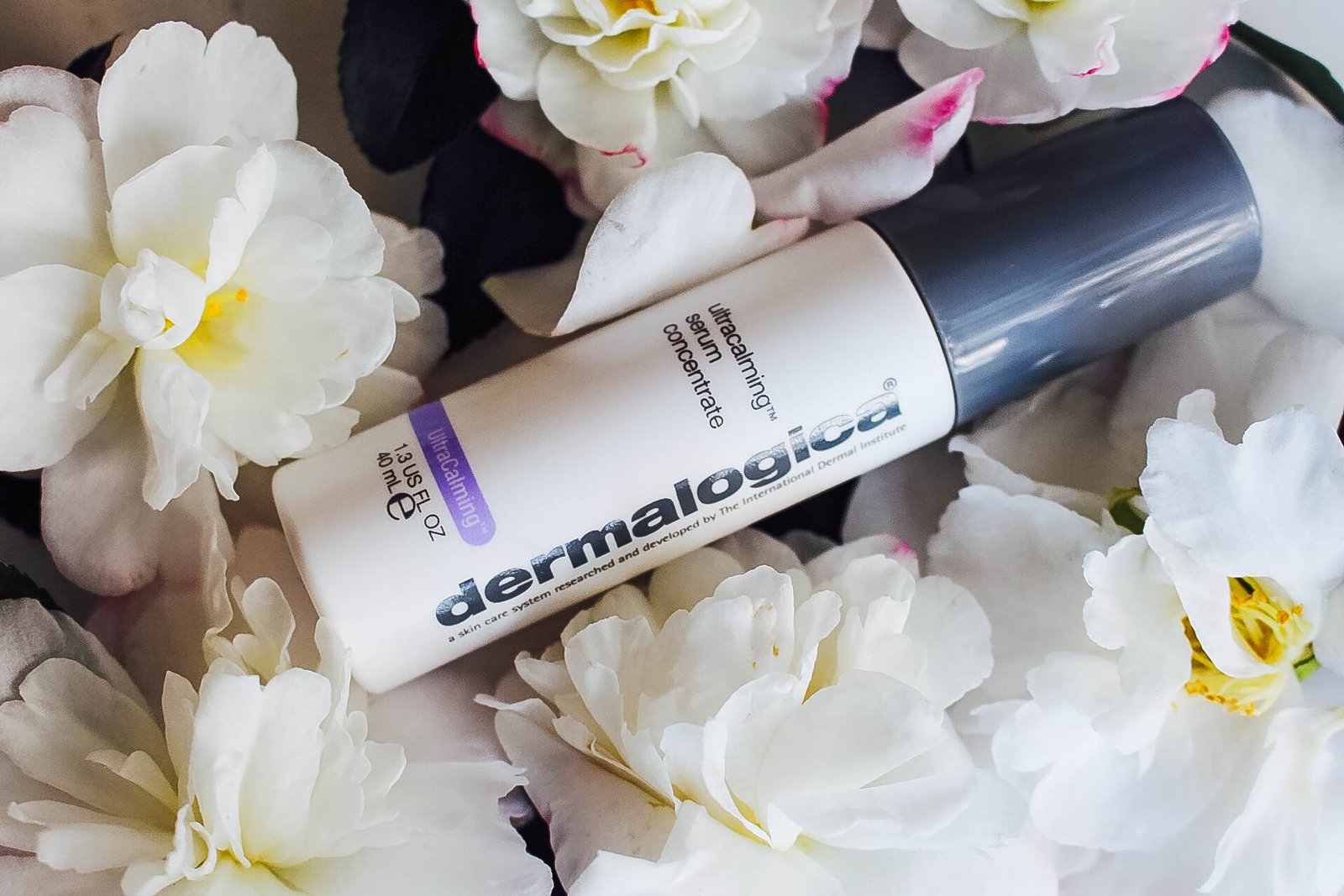
The best-known anti-ageing serum ingredients are the ones you will see again and again: vitamin C for brightness and dullness, retinol for texture and fine lines, niacinamide for uneven tone, and hyaluronic acid for hydration. Our review of the Truth Serum covers a vitamin C serum that many people start with, and our review of the Ultra Glow Serum covers another vitamin C option aimed at radiance. For sensitive skin, our review of the Ultra Calming Serum Concentrate is worth reading before you buy anything strong.
A serum is the step where the active work happens. But a serum on its own does not moisturise well. It evaporates, it does not form a protective layer, and on dry or mature skin it can leave the face feeling tight within an hour. That is not a flaw in the serum — it is a sign that the routine is missing the next step. Our antioxidant serum guide explains the same idea for serums in general: the ingredient matters, but so does what you put on top of it.
2. What a cream actually does
A cream is a moisturiser. Its job is simpler and less glamorous: it adds water and oil back to the skin, strengthens the barrier that keeps moisture in and irritants out, and leaves the surface soft and comfortable. A good cream does not need a long ingredient list to do this well. It needs the right texture for your skin and ingredients that support the barrier, such as ceramides, squalane and glycerin.
Creams can also carry anti-ageing actives — retinol creams and peptide creams exist — but they carry them at lower concentrations than a serum, in a heavier base that releases them more slowly. That makes a cream a gentler way to start with an active ingredient, and a worse way to get a strong dose of one. If your main goal is a visible change in fine lines or dullness, a cream alone will work slowly. If your main goal is comfort, hydration and a healthy barrier, a cream is the product that delivers it.
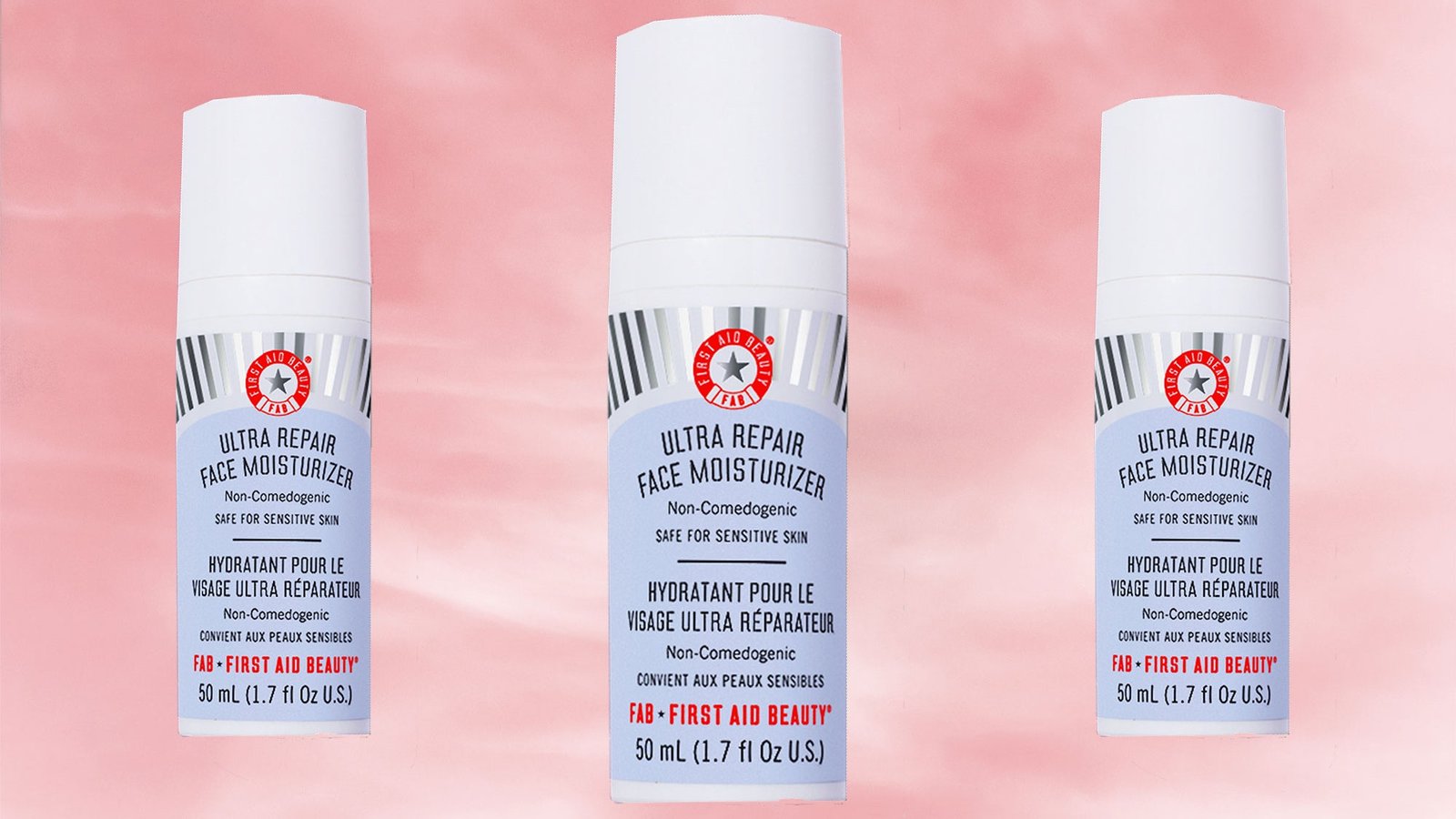
The texture matters more than the marketing. A rich cream suits dry and mature skin. A gel-cream suits oily and combination skin — our review of the Ultra Facial Oil-Free Gel Cream covers one that is made for exactly that skin type. Our review of the Ultra Facial Advanced Repair Barrier Cream covers a richer option for skin that feels tight or reactive. And if your skin breaks out easily, read our moisturiser guide for acne-prone skin before choosing a cream: the wrong texture can undo the rest of the routine.
3. The real differences, side by side
Texture is the first difference you can feel. A serum is thin, light and fast-absorbing. A cream is thicker, slower to sink in and leaves a soft finish on the skin. Neither texture is better in itself — it is a question of what your skin needs and what you enjoy using every day, because a product you skip does nothing.
Concentration is the second difference. Serums are built around one or two actives at a meaningful strength. Creams spread their formula across hydration, barrier support and comfort, so any single active is usually present at a lower level. That is why a serum is the better tool when you want to target one concern — dullness, fine lines, uneven tone — and a cream is the better tool when the concern is dryness, tightness or a damaged barrier.
Order is the third difference, and it is the one beginners get wrong most often. Skincare goes from thinnest to thickest: cleanser, then serum, then cream. The serum goes on first so its actives reach the skin; the cream goes on last so it seals everything underneath. Put the cream on first and the serum sits on top of it, mostly wasted. This order never changes, whatever brand you buy.
Price is the fourth difference, and it is worth saying plainly. Serums are usually more expensive per millilitre, because you are paying for concentrated actives in a small bottle. A cream is usually better value as a daily staple. If your budget only stretches to one product, that fact alone should shape the choice — and the next section explains how.
4. Which one should you buy first?
If your skin is dry, tight or uncomfortable, buy the cream first. No serum can fix a broken moisture barrier, and active ingredients on dry, irritated skin often make things worse before they make them better. Get the barrier healthy with a cream that suits your skin type, use it for two or three weeks, and only then add a serum.
If your skin is comfortable and hydrated but dull, uneven or showing fine lines, buy the serum first. A vitamin C serum in the morning is the most common starting point, and our review of the Truth Serum is a good place to see what that kind of product actually looks like in use. Use it for a month before judging it — anti-ageing results are slow, and a week is not enough to tell whether a product works.
If your skin is oily, you may not need a heavy cream at all. A gel-cream or even a light lotion can be enough as the sealing step, and our review of the Ultra Facial Oil-Free Gel Cream covers one made for oily skin. Many people with oily skin skip cream in the morning and use it only at night, which is a reasonable compromise. If your skin is sensitive, start with the gentlest version of each step and patch-test before you commit — the same rule our moisturiser guide gives for acne-prone skin applies here too.
Age is less important than skin condition. A person in their twenties with dry, dull skin needs a cream more than a serum. A person in their fifties with comfortable, hydrated skin gets more from a serum. Buy for the skin you have, not the age on the box.
5. How to use both together
Using a serum and a cream together is simple once the order is clear. After cleansing, apply the serum to slightly damp skin — two or three drops, or one pump, pressed gently over the face and neck. Wait a minute for it to absorb. Then apply the cream over the top, in a thin, even layer. That is the whole routine, and it takes less than two minutes.
In the morning, the most common pairing is a vitamin C serum under a light cream, followed by sunscreen. Vitamin C and sunscreen work well together, and the cream keeps the skin comfortable under makeup. In the evening, the most common pairing is a retinol or peptide serum under a richer cream, because the cream buffers the active and reduces irritation while you sleep. If you use both a vitamin C serum and a retinol product, keep them apart — vitamin C in the morning, retinol at night — rather than layering them in the same routine.
A beginner mistake is using too much serum. More product does not mean faster results; it means sticky skin, pilling under cream, and a bottle that runs out in three weeks. Two or three drops is enough for the whole face. Another mistake is adding three serums at once. Start with one, use it for a month, and only then decide whether you need a second. If your skin stings, flakes or breaks out after adding a serum, stop the serum — not the cream — and let the skin recover before you try again at a lower frequency.
6. What to avoid
- Buying a serum and a cream with the same active ingredient at full strength and using both every day. That is how irritation starts.
- Choosing a cream by its anti-ageing claims instead of its texture. A cream that feels wrong on your skin will be skipped, and a skipped product does nothing.
- Expecting visible change in a week. Hydration improves in days; fine lines and tone take weeks to months. Judge a serum after four to six weeks of steady use, not after three days.
- Skipping sunscreen while using anti-ageing actives. Sun damage undoes the work of both products, and some actives make skin more sensitive to sun. Sunscreen is not optional in an anti-ageing routine.
- Layering a serum over a cream. The order is thinnest to thickest, always — serum first, cream last.
Frequently asked questions
Can I use only a serum and skip the cream? You can, but most people should not. A serum does not moisturise well on its own, and without a cream on top the actives evaporate and the skin can feel tight. The exception is very oily skin in hot weather, where a light serum plus sunscreen may be enough in the morning.
Can I use only a cream and skip the serum? Yes, and for many beginners that is the right choice. A good cream keeps skin hydrated, comfortable and healthy, which already makes it look better. Add a serum later, when you have one specific concern — dullness, fine lines, uneven tone — that the cream alone is not fixing.
Do I need a separate eye cream as well? Not at first. Your serum and cream can be used around the eyes as long as they do not sting, and most people get more from that than from a separate eye cream. If you do buy one, it is a luxury, not a necessity.
How long before I see results? Hydration and comfort improve within days. Brightness from vitamin C usually takes three to four weeks. Fine lines from retinol take eight to twelve weeks of steady use. If nothing has changed after two months, the product may not suit your skin — or the concern may need a different active.
Is an expensive serum worth it? Not necessarily. What matters is the active ingredient, its concentration and whether the formula is stable — not the price or the packaging. Read the ingredient list and the reviews on this site before you pay for a name.
The short version
A serum delivers concentrated actives; a cream moisturises and protects. Use the serum first and the cream second, thinnest to thickest. If your skin is dry or uncomfortable, buy the cream first. If your skin is comfortable but dull or lined, buy the serum first. Start with one serum, use it for a month, wear sunscreen every day, and let the routine — not the shopping — do the work.
This is a general skincare guide, not medical advice. If you have a skin condition, ask a dermatologist which products suit you.