




Toner is the step most people with oily skin get wrong in one of two ways. Either they skip it entirely, because it feels like an optional extra, or they buy the harshest one they can find, because their skin is shiny and they want it to feel squeaky clean. Both mistakes end in the same place: skin that looks oilier by midday than it did before.
I used to think of toner as the bottle that stung. The old-fashioned kind did sting — it was mostly alcohol, it stripped everything off, and for about ten minutes the skin felt tight and matte. Then the oil came back, worse than before, and the toner got blamed on the wrong thing. The toner was not the problem. The type of toner was.
A good toner for oily skin does something much quieter. It finishes the cleanse, puts a little moisture back, and gets the skin ready for the next step. It does not need to sting to work. In fact, if it stings, that is usually a sign it is too strong for everyday use. This guide explains what toner actually does, which type suits oily skin, and how to use it without drying your skin out.
1. What a toner actually does
A toner is a watery liquid used right after cleansing and before serum or moisturiser. Its job is small and specific, and that is exactly why it works.
First, it removes what the wash left behind. Even a good wash does not catch everything — a trace of cleanser, a little sunscreen residue, the minerals in hard tap water. A toner on a cotton pad picks that up, so the next products go onto properly clean skin.
Second, it rehydrates. Cleansing takes water out of the skin along with the oil and dirt. A hydrating toner puts a light layer of water back, which matters more than it sounds: the products that follow — serum, moisturiser — absorb and spread better on damp, hydrated skin than on skin that has been left bone dry.
Third, it prepares. Skin that has just been toned is a better surface for active ingredients. A serum applied after toner does not have to fight through residue or dryness to reach the skin. That is the whole point of the step: it is not a treatment on its own, it is the step that makes the treatments after it work better.
What a toner does not do is shrink pores, remove blackheads on its own, or replace moisturiser. Any toner that promises those things is overselling. Pores do not open and close, and a watery liquid cannot do the job of a cream. Keep expectations honest and the step earns its place.
2. The three kinds that matter for oily skin
Not all toners are the same product. For oily skin, three types are worth knowing, and they do very different things.
Hydrating toners are the gentlest kind. They are built around ingredients like glycerin, hyaluronic acid and panthenol, and their job is simply to add light moisture back after cleansing. They suit almost everyone with oily skin, including skin that is oily and dehydrated at the same time — which is more common than people think. If your skin is shiny and tight at once, a hydrating toner is usually the right starting point. Use it daily, morning and night, and it is hard to go wrong with it.
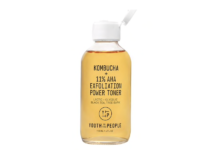
Exfoliating toners contain acids that help clear dead skin and oil from the surface and inside pores. The useful ones for oily skin are salicylic acid (BHA), which is oil-soluble and can get into pores, and glycolic or lactic acid (AHA), which work on the surface. Our review of the TXA toner covers one that pairs tranexamic acid with gentle exfoliating acids for dark spots, and our review of the Vinopure toner covers a natural salicylic-acid toner aimed at oily, blemish-prone skin. Both show the same lesson: an exfoliating toner can help oily skin a lot, but only at the right strength and the right frequency. Two or three times a week is enough for most people. Every day is usually too much, especially if the rest of the routine already has acids in it.

Astringent toners are the old-fashioned kind: high in alcohol, sometimes with witch hazel, designed to make skin feel tight and matte. They feel effective for about ten minutes. Then the skin, stripped of oil and water, overcompensates by producing more oil. For oily skin this is the worst trade in skincare — a short matte finish in exchange for more shine later. If a toner lists alcohol or alcohol denat. near the top of its ingredients and it stings on application, it is an astringent, and oily skin is better off without it.
The practical rule is simple: start with a hydrating toner every day, and add an exfoliating toner a few times a week only if the skin needs it. Skip the astringent kind altogether.
3. How to use it: hands, cotton pad, and timing
How you apply toner matters as much as which one you buy. There are two methods, and each suits a different type.
With your hands is best for hydrating toners. Pour a small amount into clean palms, press it gently over the face, and let it sink in for a few seconds before the next step. Hands waste nothing, they do not tug at the skin, and pressing is gentler than wiping. This is the method I would pick for everyday use.
With a cotton pad is best for exfoliating toners, and for days when there is residue to remove. Dampen the pad, sweep it lightly over the face — do not scrub — and let the pad do the work. The pad also shows you what came off, which is useful feedback: if the pad is dirty every night, the cleanse before it needs a second look. Our face wash guide explains how to get that first step right, because a toner cannot fix a wash that is too harsh or too weak.
Timing is straightforward. Toner goes on immediately after cleansing, while the skin is still slightly damp, and before serum and moisturiser. In the morning, the order is wash, toner, serum, moisturiser, sunscreen. At night, it is wash, toner, treatment or serum, moisturiser. Our serum vs cream guide explains what each of those later steps does and which one to buy first if you are building a routine from scratch.
How much to use is a small detail people overthink. For a hydrating toner, a coin-sized amount in the palm is enough. For an exfoliating toner on a pad, the pad should be damp, not dripping. More product does not mean more benefit — it usually just means more irritation.
4. The mistakes that dry oily skin out
Most toner problems are not about the product. They are about how it is used.
The first mistake is using an exfoliating toner every day, on top of other actives. If the serum already has retinol or vitamin C, and the wash has salicylic acid, adding a daily acid toner on top of all of that is too much exfoliation. The skin gets red, flaky and tight — and then oilier, because a damaged barrier cannot hold moisture. One exfoliating step at a time is the rule. If the toner is the exfoliating step, the serum that night should be a gentle one. Our antioxidant serum guide is a good place to check which serums are gentle enough to pair with an acid toner.
The second mistake is skipping moisturiser after toner. Toner adds water; it does not seal it in. Water evaporates, and without a cream on top, the skin ends up drier than before the toner went on. This is the step people skip when they think their oily skin does not need moisturiser — and it is exactly why their skin feels tight after toning. A light gel-cream is enough. Our moisturiser guide for acne-prone skin explains how to pick one that will not clog pores.
The third mistake is wiping too hard. A cotton pad is not a scrub. Pressing and sweeping lightly is all it takes. Scrubbing irritates the skin and spreads oil and bacteria around the face instead of removing them. If the pad is doing its job, there is no need for pressure.
The fourth mistake is judging a toner by the sting. A toner that stings is not a toner that is working harder. It is a toner that is irritating the skin. A good toner for oily skin should feel like nothing — cool, light, and gone in seconds. If it burns, stop using it daily and check the ingredients for alcohol or a high concentration of acids.

5. How toner fits the routine this site has been building
Toner is the middle of the oily-skin routine, and it only makes sense as part of it. The order we have been building, piece by piece, is: a gentle face wash that cleans without stripping, then toner to finish the cleanse and rehydrate, then serum for active ingredients, then moisturiser to seal everything in, then sunscreen in the morning and makeup on top of that.
Each step assumes the one before it was done right. Toner cannot rescue a wash that stripped the skin, and moisturiser cannot rescue a routine where toner was skipped and the serum went onto dry skin. That is why the guides on this site link to each other — our sunscreen guide and our foundation guide both assume the skin underneath was cleansed, toned and moisturised first. Get the middle step right and the steps after it get easier: foundation sits better on hydrated skin, sunscreen spreads more evenly, and the whole routine needs less product to do the same job.
If you are starting from nothing, buy in this order: face wash first, then a hydrating toner, then moisturiser, then sunscreen. Add an exfoliating toner later, only when the basics are working and you want to target pores or dullness. That order spends money where it matters and keeps the routine simple enough to actually do every day.
FAQ
Do I need a toner if I already use a good face wash? Not strictly — a good wash plus moisturiser is a complete basic routine. But a toner helps the products after it work better, and for oily skin it is the easiest way to add light hydration without heaviness. Think of it as useful, not mandatory.
Can I use toner twice a day? A hydrating toner, yes — morning and night. An exfoliating toner, no — two or three times a week is enough, and only on days when you are not using other strong actives.
Should toner go on with hands or a cotton pad? Hands for hydrating toners, a cotton pad for exfoliating toners. Either way, be gentle — pressing and light sweeping, never scrubbing.
My skin feels tight after toner. Is that normal? No. Tightness means the toner is too strong or the moisturiser step was skipped. Switch to a hydrating toner, use less product, and always follow with a light cream.
Can I skip toner and use an essence instead? An essence is a thicker hydrating liquid that comes after toner, not a replacement for it — it does not remove residue the way a toner on a pad does. You can use both, toner first and essence second, but if you had to pick one, pick the toner.
The short version
Toner is a small step with a specific job: finish the cleanse, add light moisture back, and prepare the skin for serum and cream. For oily skin, pick a hydrating toner for every day and an exfoliating toner a few times a week, skip the alcohol-heavy astringent kind, apply it gently right after washing, and always follow it with moisturiser. Do that, and the step that used to sting becomes the step that quietly makes everything after it work better.