


Setting spray has one job, and most of the time it gets blamed for failing at a job it was never given the tools to do. I have lost count of the mornings I misted carefully, stepped back, liked what I saw — and then caught my reflection at lunchtime with foundation sliding off my nose and shine breaking through my chin. For a long time I assumed the spray was the problem, and I kept buying a different one. It took me a while to learn that a setting spray is the last step of a routine, not a rescue for one. It can lock in good work. It cannot fix work that was never done.
This guide is about the whole chain, not just the mist. How to prep the skin so makeup has something to grip, how to layer products so they set instead of sliding, how to actually spray — distance, amount, timing — and the mistakes that undo all of it before you even leave the house. Nothing here needs a new purchase. Most of it is about doing the steps you already do, in the right order, with a little more patience between them.
1. What setting spray can — and cannot — do
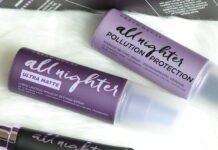
A setting spray is a fine mist sprayed over finished makeup. Depending on the formula it does one or more of three things: it helps makeup meld together so it looks less powdery and more like skin, it adds a thin flexible film that resists transfer, sweat and humidity, and it sets the finish — matte sprays cut shine, dewy sprays add glow. That is a real job, and a good spray does it well. My All Nighter review covers the spray I have used longest: an ultra-matte formula that claims up to 16 hours of wear, and on my oily skin it genuinely holds up through a long day when everything underneath it was done right.
What it cannot do is glue makeup to skin that was never prepped, or hold a thick layer of foundation that was never set, or survive a day of touching your face. No spray survives that. The film it forms is thin by design — if it were thick enough to hold anything, it would feel like a mask. So when a spray "does not work", the honest question is usually not whether the spray is bad. It is whether the layers underneath gave it anything to hold on to.
That is also why two people can use the same spray and get completely different results. One preps, layers thinly and sets with powder; the other puts foundation on bare, unmoisturised skin and mists over the top. Same bottle, different day. The rest of this guide is about being the first person.
2. Prep is half the wear time
Everything a spray locks in starts with skin prep, and oily skin needs prep that balances rather than strips. A gentle wash first — our face wash guide explains how to clean without stripping, because skin that has been stripped overproduces oil by midday and no spray can hold makeup on an oil slick. Then toner to finish the cleanse and put light moisture back; our toner guide walks through which type suits oily skin and why the alcohol-heavy kind makes things worse. Then serum and a light moisturiser — our serum vs cream guide explains which one to buy first, and our moisturiser guide explains how to pick a cream that will not clog pores. The point of all of it is the same: makeup grips best on skin that is clean, lightly hydrated and not actively producing excess oil to compensate for being dried out.
Sunscreen is the step people most often rush, and rushing it is what kills wear time. Sunscreen needs a few minutes to set before foundation goes on top of it. If you put foundation on wet sunscreen, the two layers mix, slide and never properly set — and then the spray gets blamed for a failure that happened ten minutes earlier. Our sunscreen guide covers how to choose one that sits well under makeup. Give it its minutes. It is the cheapest wear time you will ever buy.
One more prep step that matters more than people think: let each layer dry before the next one. Wash, wait a moment. Moisturiser, wait a moment. Sunscreen, wait a few minutes. The waiting is not wasted time — it is the layers bonding to skin instead of to each other. A routine done in a hurry is a routine that comes off in a hurry.
3. Thin layers set; thick layers slide
The single biggest reason makeup does not last is thickness. A thick layer of foundation never fully sets. It stays mobile, it creases, it transfers to everything it touches, and it gives the spray a moving surface to try to hold. Thin layers are the opposite: each one sets, grips the one below it, and gives the next one a stable base.
Our foundation guide goes through the technique in detail — light prep, primer where it is needed, foundation applied thinly and built up only where coverage is actually needed, set in layers. The summary version is this: use less product than you think you need, spread it further than you think it should go, and add a second thin layer only on the spots that still need it. A thin base also needs less powder, and less powder means less for the spray to meld — which is exactly what you want.
Powder is the step between foundation and spray, and it is the one people either skip or overdo. A light dusting of translucent powder on the areas that get oily first — the T-zone, the chin — gives the spray something dry to bind to. Too much powder and the spray has to melt a chalky layer, which leaves makeup looking heavy and can make it crack as it dries. Too little and the foundation is still damp underneath, and the spray seals in moisture that then pushes the makeup off from below. The right amount is the amount you can barely see.
Concealer deserves the same treatment. Dot it on, blend the edges, set it with a tiny amount of powder, and leave it alone. Concealer that has been patted, powdered and left to set will outlast concealer that was blended, re-blended and then sprayed while still wet.

4. How to spray: distance, amount, and the X and T
The spraying itself is simple, but the details are where people go wrong. Shake the bottle first — the film-forming ingredients settle, and an unshaken spray mists unevenly. Hold it about eight to ten inches from your face, roughly a handspan and a bit more. Too close and the mist lands wet in one spot, which can disturb the makeup underneath and leave droplets. Too far and most of it drifts away before it reaches your face.
Mist in an X shape across the face, then a T shape — forehead down the nose and across. That is the pattern that covers the whole face evenly without soaking any one area. Four to six sprays is enough for most faces; the old All Nighter guidance of four to six sprays is a good rule for almost any spray. More is not better. A second heavy coat does not double the hold — it doubles the drying time, and makeup that is still wet when you leave the house is makeup that moves.
Then the hardest part: leave it alone. Let it dry naturally. Do not fan it, do not blow on it, do not touch your face to check whether it is dry. Fanning can disturb the film while it is forming, and touching it before it sets leaves a fingerprint in the one place you will notice all day. Give it a minute. That minute is the spray doing its job.
One technique worth knowing is misting between layers, not just at the end. A light mist after foundation and powder, allowed to dry, and then a final mist after the rest of the makeup is done, builds the hold in two thin films instead of one thick one. It uses the same amount of product, spread across two steps, and on long or humid days it genuinely lasts longer than a single heavy coat at the end. Try it on an ordinary day before you trust it for an event.
5. Pick the right finish for the day you are having
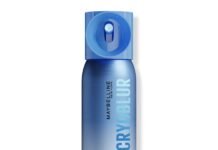
Not every setting spray is trying to do the same thing, and picking the wrong finish is a quiet way to undo your own work. A matte spray controls shine and suits oily skin and long, humid days. A dewy or hydrating spray adds glow and suits dry skin, or a look that is meant to look luminous rather than matte. A long-wear or transfer-resistant spray prioritises hold above all else. Our CryoBlur first look covers the newest spray in this space — a cooling, blurring formula that claims up to 36 hours of wear — and the comparison there is useful: cooling and blurring are extras on top of hold, not a replacement for it.
The practical rule is to match the spray to the finish you want to keep. If you spent the morning building a matte base, a dewy spray will add shine you then have to powder away. If you want a luminous finish, a matte spray will flatten it. And if your skin is oily, a hydrating mist is not a setting spray at all — it will feel lovely for ten minutes and then the shine will come back faster, because you added moisture with nothing to hold it. Read the bottle: if it says matte, long-wear or oil control, it is a setting spray; if it says hydrating mist or facial mist, it is skincare, and it belongs before makeup, not after it.
Price is not a reliable guide here. The premium spray I reviewed costs several times what a drugstore spray does, and on a well-prepped face the difference is smaller than the price gap suggests. What matters more is the formula type, the finish, and whether the layers underneath were done right. A cheap matte spray on a thin, set base will outlast an expensive one on a thick, damp one.
6. The mistakes that undo it
Most setting-spray failures are habits, not products. The first is spraying too close or too much. A wet face is a moving face: droplets disturb foundation, pool in fine lines and take too long to dry, and the makeup underneath shifts while you wait. If your face feels wet after spraying, you were too close or you used too much. Step back, use fewer sprays, and let the mist fall rather than blasting it on.
The second is touching your face. Every touch transfers oil and pressure to the makeup, and no film survives repeated pressing. This is the hardest habit to break and the one with the biggest payoff. Hands off the chin, off the nose, off the cheek while you are thinking. A spray can resist a humid day; it cannot resist a hand.
The third is skipping powder and expecting the spray to do powder's job. Spray binds and seals, but it does not absorb oil. On oily skin, an unpowdered T-zone will shine through within a couple of hours no matter what you misted over it, because the oil comes from below. A light powder first, then spray, is the order that works. Reversing it — spray, then powder — leaves powder sitting on top of a sealed film, where it looks dusty and comes off on everything.
The fourth is misting over makeup that is not finished. Spray is the last step. If you spray and then add more powder, more blush or more concealer on top, you have just covered the film you made with unsealed product that will come off first. Finish everything, check it, and only then spray. The one exception is the between-layers mist described above, and even that is a deliberate two-step, not an afterthought.
The fifth is storing the spray badly. Heat and sunlight degrade the formula, and a spray left in a hot car or on a sunny windowsill will mist unevenly and smell off long before the bottle is empty. Keep it somewhere cool and upright, and shake it before every use. A spray that sputters instead of misting is a spray that was stored badly or is past its best — replace it rather than fighting it.

7. Making it last through heat, humidity and long days
Long days need a little more than a good morning routine. The first thing is to accept that some touch-up is normal, and plan for it rather than fighting it. Carry blotting paper, not more powder: blotting lifts oil without adding another layer, while piling powder on top of oil makes a paste that cracks and comes off in patches. Blot first, then decide whether you need anything else. Most of the time you will not.
If you do need a refresh, a light mist over blotted skin can revive the finish — but only a light one, and only after the oil is gone. Misting over oil seals the oil in, which is the opposite of what you want. And never re-spray over makeup that has already started to break down and expect it to re-set: once the base has lifted, a fresh film on top of a broken one just makes the break more visible. Blot, powder lightly if you must, and leave it there.
For events — weddings, long days out, humid weather — do a trial run on an ordinary day first. Wear the full routine, spray and all, and check it at the same intervals you will be checking it on the day. That is the only honest test of whether your combination works, and it is far better to learn on a Tuesday that your spray gives up at hour six than to learn it halfway through a wedding. Our CryoBlur first look makes the same point about brand wear claims: the number on the bottle is the brand's study result, not your skin's result, and your own trial is the evidence that counts.
FAQ
How far should I hold setting spray from my face? About eight to ten inches — a handspan and a bit more. Too close and it lands wet and disturbs makeup; too far and most of it drifts away.
How many sprays do I need? Four to six sprays in an X and then a T shape is enough for most faces. More spray does not mean more hold — it means a longer drying time and a greater chance of disturbing the makeup underneath.
Should I spray before or after powder? After powder, as the last step. Powder gives the spray a dry surface to bind to; spraying first and powdering after leaves unsealed powder on top that comes off easily.
Can I use setting spray on bare skin? You can, but it will not do much — there is no makeup for it to lock in. A hydrating mist is the better product for bare skin; save setting spray for finished makeup.
Why does my makeup still transfer even with setting spray? Usually one of three things: the base was too thick, the spray was applied too close or too wet, or the makeup was touched or rubbed before the film had dried. Thin layers, a light mist from the right distance, and a minute of not touching your face fix most of it.
Does setting spray replace primer? No. Primer goes under makeup to smooth skin and help it grip; setting spray goes over finished makeup to seal it. They do different jobs, and on oily skin or a long day, using both is what gives the longest wear.
My spray leaves white spots / a chalky look. What went wrong? Usually too much powder underneath, or spraying too close so the mist pooled instead of falling evenly. Use less powder, hold the bottle further back, and let each layer dry before the next one.
The short version
A setting spray lasts when everything underneath it was built to last: clean, lightly hydrated skin, sunscreen left to set, thin layers of foundation set with a light dusting of powder. Then shake the bottle, hold it eight to ten inches away, mist lightly in an X and a T, and leave it alone for a minute while it dries. Match the finish to the day, blot oil instead of piling on powder, and trial the whole routine on an ordinary day before you trust it for a long one. The spray is the last step, not the only step — and when the steps before it are right, it finally gets to do the job it was made for.