





Vitamin C is the one active I keep coming back to. It is the ingredient I reach for when my skin looks dull after a long winter, or when old spots from breakouts are taking their time to fade. But my first time using it, I got it wrong: I bought the strongest serum I could find, used it twice a day, and layered it with everything else in my cabinet. My skin turned red, flaky, and angry within a week, and I blamed the ingredient. The ingredient was not the problem. The routine was.
Vitamin C is genuinely effective, and it is also genuinely easy to misuse. The difference between a brighter face and an irritated one is usually strength, frequency, and what you put next to it. This is the guide I wish I had read before that first bottle — how to choose one, how to use it, and what to avoid, so you get the glow without the sting.
I am not going to tell you a specific serum transformed my skin in two weeks, because that kind of claim is exactly what a first look should not invent. What follows is the method: the concentrations, the order, the combinations that work and the ones that do not, and the signs that tell you to slow down. For the products themselves, I will point you to the reviews I have actually written.
What vitamin C actually does
Vitamin C is an antioxidant, which means it helps protect the skin from the daily damage that makes it look tired: sun, pollution, and the general wear of being outdoors. The reason it shows up in so many brightening products is that it interferes with excess melanin production, which is what dark spots and uneven tone are made of. It also supports collagen, the protein that keeps skin firm, although that effect is slow and quiet — it is not something you see in a week.
That is the honest picture. Vitamin C does not bleach the skin, it does not erase deep pigmentation overnight, and it will not fix a spot that needs a dermatologist. What it does, used steadily, is make skin look a little brighter and a little more even, and help it hold up better against the day. If you want the wider context on antioxidant skincare, my roundup of the best antioxidant serums covers the category and how the different formulas compare.
One more thing worth knowing before you buy: vitamin C is unstable. It breaks down in light, heat, and air, which is why good serums come in dark or opaque bottles and why a serum that has turned dark orange or brown has probably oxidised. An oxidised serum is not just weaker — it can irritate. I will come back to storage below, because it is part of using the product properly, not an afterthought.
Step 1: Pick the right strength and formula
This is where I went wrong the first time, so let me be specific. Vitamin C serums usually contain between 5% and 20% active vitamin C. If your skin has never used it, start at the low end — around 5% to 10%. That is enough to see a difference over a few weeks, and your skin gets a chance to get used to it. A 15% serum is strong, and a 20% serum is very strong; both are for skin that already tolerates the ingredient well.
The most famous example of a high-strength formula is the SkinCeuticals C E Ferulic, a 15% L-ascorbic acid serum with vitamin E and ferulic acid. It is the product other vitamin C serums get compared to, and my SkinCeuticals C E Ferulic review covers it in detail. It is also exactly the kind of product you should not start with. If you are new to vitamin C, the right bottle is the gentler one, not the most famous one.

The form of vitamin C matters too. Pure L-ascorbic acid is the most studied and the most potent, but it is also the most irritating and the least stable. Derivatives — ingredients with names like ascorbyl glucoside, magnesium ascorbyl phosphate, or tetrahexyldecyl ascorbate — are gentler and more stable, and they are a better starting point if your skin is sensitive or reactive. A derivative serum will work more slowly, and that is a fair trade for a face that does not sting.
My rule of thumb: sensitive or first-time skin, a derivative or a low-percentage L-ascorbic acid. Normal skin that already uses actives, a 10% to 15% L-ascorbic acid. Oily skin tends to tolerate vitamin C well; dry or reactive skin should start lower and slower. And if you have rosacea or very reactive skin, a patch test is not optional — it is the whole plan.
Step 2: Use it in the morning, after cleansing
Vitamin C works best in the morning. That is when your skin faces the sun and pollution it is meant to protect against, and the antioxidant effect pairs naturally with sunscreen. I use mine after cleansing and before moisturiser, on clean, dry skin. My face wash guide explains how I choose a cleanser that cleans without stripping, because a stripped, tight face will sting under any active, vitamin C included.
The order is: cleanse, vitamin C serum, wait a minute, moisturiser, sunscreen. The waiting minute matters — it gives the serum time to absorb instead of being diluted by the next layer. Three to four drops is enough for the whole face. I warm them between my fingertips and press them in rather than rubbing, and I include the neck, because the neck shows sun damage just as clearly as the face and is easy to forget.
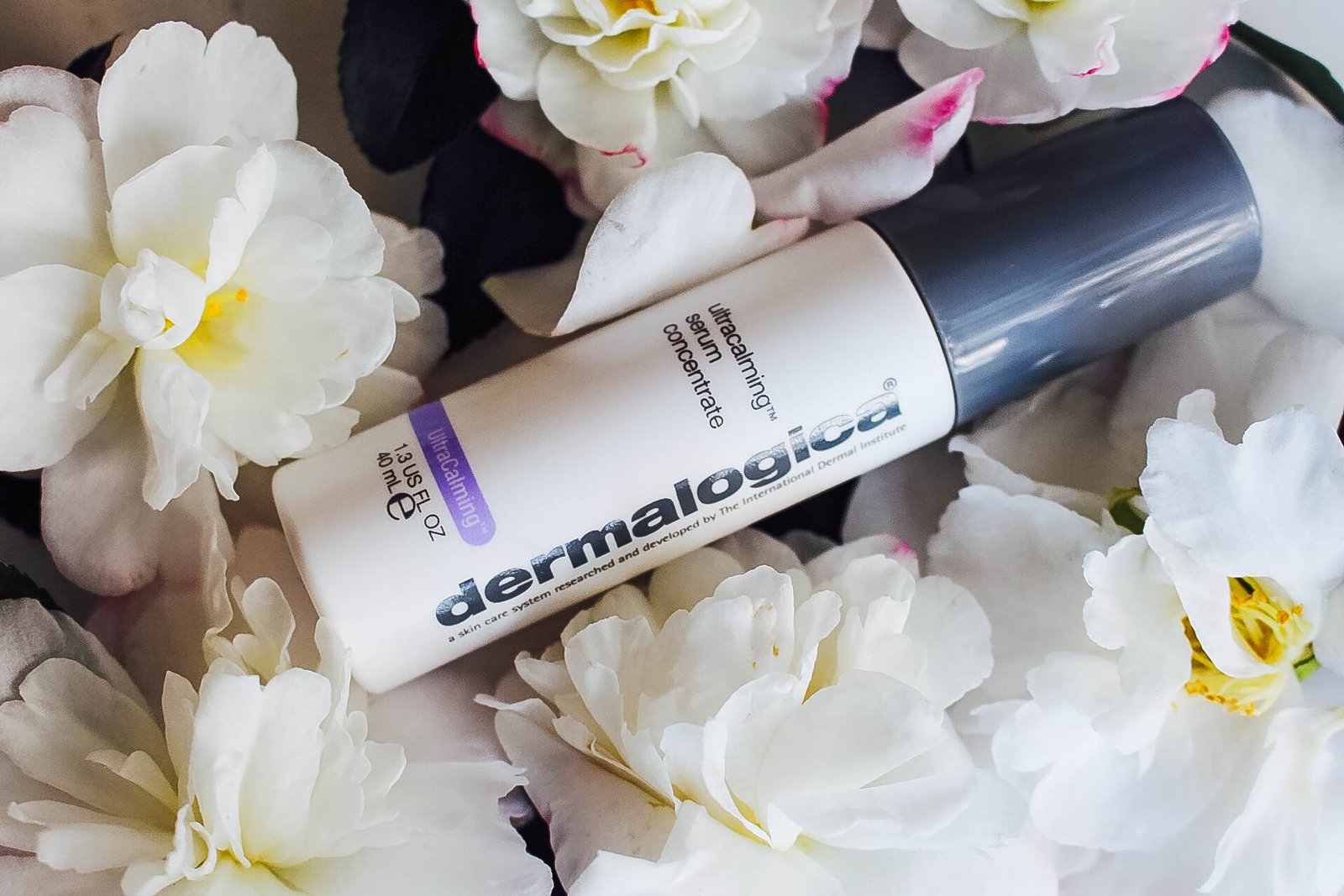
One question I get a lot is whether vitamin C goes before or after moisturiser. For a water-based serum, before: thin, watery layers go on first, and thicker creams go on top to seal them in. If you are not sure about your own routine, my serum vs cream guide walks through the order and explains why the sequence matters for anti-ageing skincare generally.
Step 3: Know what never to layer it with
This is the section that would have saved my first bottle. Vitamin C does not play well with everything, and the wrong combination is the fastest route to redness.
Do not use vitamin C at the same time as retinol. Both are strong actives, and together they are far more irritating than either one alone. If you use both, split them: vitamin C in the morning, retinol at night. That way you get both benefits without asking your skin to handle both at once.
Do not layer it with strong exfoliating acids — glycolic acid, salicylic acid, or a strong AHA/BHA peel — in the same routine. Vitamin C already works at a low pH, and adding another acid on top pushes the irritation past the point your skin can handle. Use them on alternate days instead.
Do not mix it with benzoyl peroxide in the same routine either. The two can cancel each other out and irritate the skin at the same time, which is the worst of both worlds. If you are treating breakouts, use the benzoyl peroxide at a different time of day and keep the vitamin C for the morning.
What does pair well? Hyaluronic acid, for one — it hydrates without conflicting, and it makes the serum feel more comfortable. Niacinamide is fine too, despite an old myth that the two cannot mix; modern formulas handle the combination well. And sunscreen is not just compatible, it is the whole point: vitamin C and SPF work better together than either does alone, because the serum helps with the damage sunscreen cannot fully block.
Some brands build whole routines around vitamin C, and if you prefer a matched set to mixing products yourself, the Aspect skincare review I wrote covers a range that layers its vitamin C step with the rest of the routine. A matched range is not required, but it removes the guesswork about combinations.
Step 4: Store it like it matters, because it does
A vitamin C serum is only as good as its last week in the bottle. Light, heat, and air break it down, so I keep mine in a cool, dark place — a drawer or a cabinet, not a sunny bathroom shelf, and never in a hot car or next to a radiator. I close the cap properly every time, and I do not leave the dropper sitting open while I do the rest of my routine.
Watch the colour. A fresh L-ascorbic acid serum is usually clear or very pale yellow. If it turns dark yellow, orange, or brown, it has oxidised, and it is time to replace it — it will be weaker, and it is more likely to irritate. That is also why I buy smaller bottles: a serum that sits open for six months is a serum that has had six months to go off. A 15 ml or 30 ml bottle you finish in two or three months is a better buy than a large bottle that oxidises halfway through.
Step 5: Read the signs and adjust
Some tingling when you first apply vitamin C is normal, especially with L-ascorbic acid. It should fade within a minute. What is not normal is burning that lingers, redness that lasts into the next day, flaking, or new breakouts in the places you applied it. Those are signs to stop, not to push through.
If that happens, stop using it for a few days and let your skin settle. Then restart at a lower frequency — two or three times a week instead of daily — and build back up slowly. If even that irritates, the formula is probably too strong or the wrong form for your skin, and a gentler derivative or a lower percentage is the answer. There is no prize for tolerating a product that hurts.
A patch test is the cheapest insurance there is. Before the first full-face application, I put a small amount behind the ear or on the jawline and wait 24 hours. It feels fussy, and it has saved me from a full-face reaction more than once.
What to expect, honestly
With a well-chosen serum used daily, most people notice a subtle brightness within three to four weeks, and dark spots start to look a little softer after six to eight weeks. That is the real timeline. Anything promising visible results in three days is selling a feeling, not a result. Take a photo in the same light every couple of weeks if you want to track it — the change is gradual enough that you will miss it in the mirror.
If you are acne-prone, one caution: vitamin C serums often sit in an oily or silicone base, and a heavy base can clog pores. Look for a lightweight, oil-free formula, and if your moisturiser is part of the problem, my moisturiser guide for acne-prone skin explains how to choose one that will not fight the rest of your routine.
The routine, in short
Start low — 5% to 10%, or a gentle derivative if your skin is sensitive. Use it in the morning, on clean, dry skin, three to four drops pressed in, then wait a minute. Moisturiser and sunscreen on top, always. Keep retinol for the night and strong acids for another day. Store the bottle cool and dark, and replace it when the colour turns. And listen to your skin: tingling that fades is fine, burning that stays is a signal to slow down. Vitamin C is one of the few ingredients that genuinely earns its reputation, but it earns it slowly, and only when the routine around it is right.